Fall in Love with Bonnie Nuit: A Timeless Handwritten Sans Serif Font
When it comes to typography, the right font can make all the difference. Whether you're designing invitations, social media posts, or packaging for your small business, choosing the perfect font is essential. Enter Bonnie Nuit, a charming handwritten sans serif font that combines elegance with approachability. Its unique style captures the essence of handcrafted design while maintaining readability and versatility.
What Makes Bonnie Nuit Stand Out?
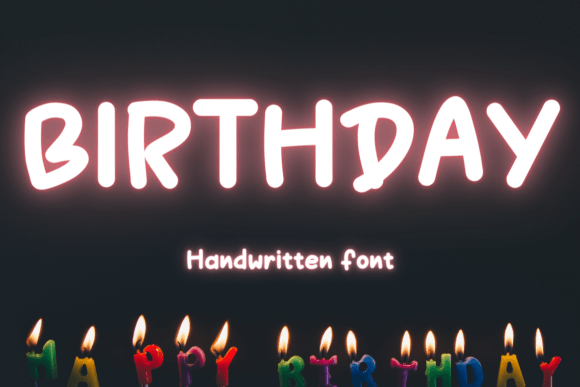
Bonnie Nuit is more than just another font—it's a design experience. With its soft curves and delicate strokes, it brings a sense of warmth and personality to any project. Unlike typical sans serif fonts that feel rigid, Bonnie Nuit offers a gentle, handwritten touch that feels personal and inviting.
This font is ideal for both digital and print projects. It works beautifully on websites, social media graphics, and even physical items like greeting cards, cloth bags, and mugs. Its clean structure ensures legibility across various sizes, making it a reliable choice for both large headlines and smaller text.
Common Mistakes When Choosing Bonnie Nuit
While Bonnie Nuit is a fantastic choice, there are several common mistakes people make when selecting and using it. Being aware of these can help you avoid unnecessary frustration and ensure your designs look their best.
- Not Checking Licensing: Many designers overlook licensing details when using fonts. Some fonts are free for personal use but require purchase for commercial projects. Always verify the license before using Bonnie Nuit in a professional setting.
- Mismatching with Brand Identity: While Bonnie Nuit has a whimsical charm, it may not align with every brand’s tone. For example, a corporate website might benefit from a more modern font, whereas a boutique or children's brand could thrive with Bonnie Nuit’s playful aesthetic.
- Ignoring Font Pairing: Using only one font can limit visual variety. Pairing Bonnie Nuit with a complementary sans serif or serif font can enhance readability and create a more dynamic design.
- Overlooking File Formats: Not all fonts come in the same format. Ensure you download the correct version (like OTF or TTF) that works with your design software, such as Adobe Illustrator or Canva.
- Using It Everywhere: While Bonnie Nuit is versatile, overusing it can dilute its impact. Reserve it for key elements like headings or call-to-action buttons rather than entire paragraphs.
How These Mistakes Affect Your Design
Each of these errors can have real consequences. For instance, using an improperly licensed font could lead to legal issues if your design is used commercially. Similarly, poor font pairing can result in cluttered layouts that confuse your audience.
Ignoring file formats can also be a roadblock. If you’re working on a project that requires exporting to PDF or embedding in a website, having the wrong format can cause rendering issues or prevent the font from displaying correctly.
By being mindful of these potential pitfalls, you can ensure that your use of Bonnie Nuit enhances your design rather than detracts from it.
Practical Tips for Using Bonnie Nuit Successfully
If you're ready to incorporate Bonnie Nuit into your projects, here are some practical tips to help you get the most out of this beautiful font:
- Use It Strategically: Save Bonnie Nuit for headlines, logos, or key phrases where its charm can shine. Avoid using it for long body text unless you're confident in its readability at smaller sizes.
- Test Across Devices: Always preview your design on different screens and devices to ensure the font displays consistently. This is especially important for web-based content.
- Combine with Other Fonts: Use Bonnie Nuit alongside a neutral font like Montserrat or Lato for contrast and balance. This helps maintain readability while adding visual interest.
- Check Compatibility: Before finalizing your design, test how Bonnie Nuit looks in different contexts—whether it's printed on a mug, displayed on a poster, or embedded in a blog post.
- Stay Within Legal Boundaries: Always review the font’s license agreement to understand its usage rights. If you're unsure, opt for a font with a clear, permissive license or consider purchasing a commercial-use version.
When to Consider Alternatives
While Bonnie Nuit is a great choice for many projects, it's not always the best fit. For example, if you're designing a formal invitation or a professional brochure, a more structured font like Playfair Display or Cinzel might be more appropriate.
Similarly, if you're creating content for a tech startup or a minimalist brand, a clean, geometric sans serif like Futura or Helvetica would likely provide a better visual alignment with your brand identity.
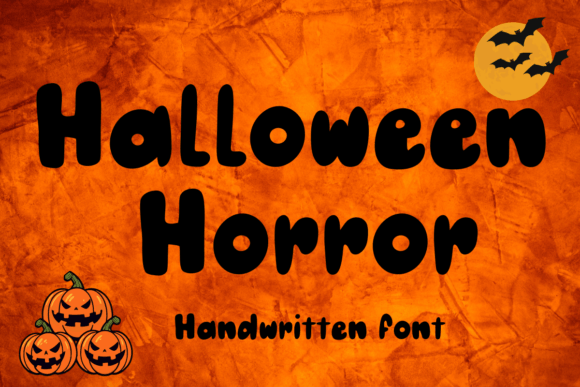
However, for creative, child-friendly, or seasonal projects—such as Easter cards, Halloween posters, or wedding invitations—Bonnie Nuit can bring a delightful, handcrafted feel that resonates with your audience.
Final Thoughts on Bonnie Nuit
Bonnie Nuit is more than just a font—it's a design tool that can elevate your creative projects with its timeless charm and versatility. By understanding how to use it effectively and avoiding common mistakes, you can unlock its full potential and create stunning visuals that speak to your audience.
Whether you're a hobbyist, entrepreneur, or designer, taking the time to learn about Bonnie Nuit and how to use it wisely will help you produce more impactful and professional-looking work. So go ahead—fall in love with Bonnie Nuit and let it inspire your next design masterpiece.