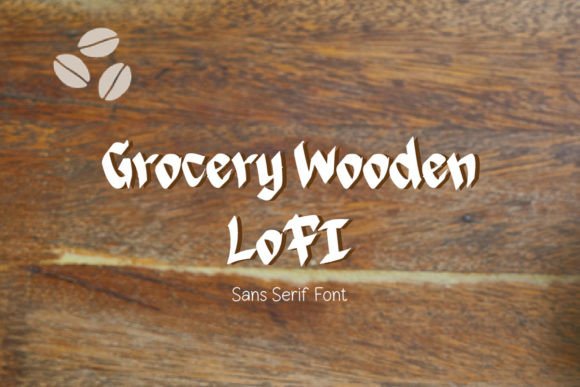
Grocery Wooden Lofi
Grocery Wooden Lofi is a bold and modern sans serif font style that has gained popularity for its unique aesthetic. Its clean lines and organic feel make it versatile for a wide range of creative applications. Whether you're working on branding, packaging, or social media content, this font can add a distinctive touch to your projects.
Understanding Grocery Wooden Lofi
Grocery Wooden Lofi is more than just a font—it's a design language. It blends the simplicity of sans serif typography with the warmth of wood textures, creating a look that feels both contemporary and grounded. This font is particularly well-suited for projects that require a balance between professionalism and approachability.
The name itself hints at its origins in everyday life. Inspired by the visual elements of grocery store signage and wooden materials, it brings a sense of familiarity and authenticity to any design. This makes it ideal for use in contexts where brand identity needs to be both memorable and relatable.
Where Does Grocery Wooden Lofi Fit?
Grocery Wooden Lofi can be integrated into various stages of a project or workflow. Before starting a creative endeavor, using this font in concept sketches or mood boards can help establish a cohesive visual direction. During the development phase, it can serve as a consistent typographic element across different assets like logos, banners, and promotional materials.
After the initial design phase, Grocery Wooden Lofi can also play a role in refining the final output. For instance, when designing packaging or product labels, the font's readability and visual appeal ensure that information is presented clearly while maintaining an attractive design.
Use Cases and Applications
One of the strengths of Grocery Wooden Lofi is its adaptability. It works well in a variety of settings, including:
- Branding: Ideal for creating a strong visual identity that stands out in a competitive market.
- Marketing: Perfect for headlines, taglines, and promotional content that needs to grab attention quickly.
- Education: Can be used in learning materials, infographics, and presentations to enhance readability and engagement.
- Social Media: A great choice for posts, stories, and ads that aim to convey a friendly and approachable tone.
- Events and Invitations: Adds a personal and artistic touch to event posters, invitations, and party decorations.
Designing with Grocery Wooden Lofi
When incorporating Grocery Wooden Lofi into your design process, consider the following tips:
- Pairing with Other Fonts: Use it as a headline font and pair it with a complementary body font for better readability.
- Color Choices: Opt for earthy tones or warm colors to enhance the natural feel of the font.
- Consistency: Ensure the font is used consistently across all design elements to maintain brand coherence.
- Accessibility: Test the font in different sizes and backgrounds to ensure it remains legible in various contexts.
Integration with Other Tools and Resources
Grocery Wooden Lofi can be seamlessly integrated with other design tools and platforms. Whether you're using Adobe Illustrator, Canva, or Figma, the font's versatility allows it to work well with a wide range of design workflows.
For digital projects, ensure that the font is properly embedded or linked to maintain consistency across devices and platforms. When working on print materials, always check the font's availability in the desired format to avoid unexpected issues during production.
Workflow Examples
Here are a few examples of how Grocery Wooden Lofi can fit into different workflows:
- Branding Workflow: Start with a logo design using Grocery Wooden Lofi, then apply it to business cards, letterheads, and website headers.
- Content Creation: Use the font for headlines in blog posts, social media updates, and email newsletters to create a cohesive brand voice.
- Event Planning: Incorporate the font into invitations, signage, and promotional materials to set the tone for a themed event.
- Product Packaging: Apply the font to product labels and packaging designs to enhance visual appeal and brand recognition.
Practical Implementation Tips
To get the most out of Grocery Wooden Lofi, follow these practical implementation tips:
- Plan Ahead: Consider how the font will be used throughout the project lifecycle to ensure it aligns with your goals.
- Test Different Sizes: Experiment with varying font sizes to find the best balance between visibility and aesthetics.
- Organize Assets: Keep track of font files and design assets to streamline the workflow and avoid confusion.
- Seek Feedback: Get input from others to ensure the font complements the overall design and message.
- Stay Updated: Keep an eye on new releases or updates to the font that may offer additional features or improvements.
Factors to Consider
When integrating Grocery Wooden Lofi into your workflow, keep the following factors in mind:
- Preparation: Ensure you have the necessary tools and resources before beginning the design process.
- Compatibility: Check that the font works well with your chosen design software and platforms.
- Usability: Prioritize readability and accessibility to ensure the font serves its intended purpose effectively.
- Organization: Maintain a structured approach to managing design assets and versions.
- Efficiency: Streamline your workflow to maximize productivity and minimize delays.
- Consistency: Use the font consistently to reinforce brand identity and user experience.
- Quality Control: Regularly review and refine your designs to ensure they meet your standards.
- Long-Term Use: Consider how the font will be used over time and plan for future scalability and adaptability.
Conclusion
Grocery Wooden Lofi is a powerful tool for designers, marketers, and creators looking to add a unique and professional touch to their work. By understanding its strengths and limitations, and by integrating it thoughtfully into your workflow, you can leverage this font to enhance your projects and achieve your creative goals.