Pencil Embroidery Design: A Back-to-School Applique Delight
As the days grow shorter and the scent of freshly sharpened pencils fills the air, the back-to-school season is upon us. For many, this time of year brings a mix of excitement and nostalgia, and it’s no surprise that creative projects centered around education are gaining popularity. One such trend is Pencil Embroidery Design, a charming and versatile applique technique that adds a personal touch to school-themed items.
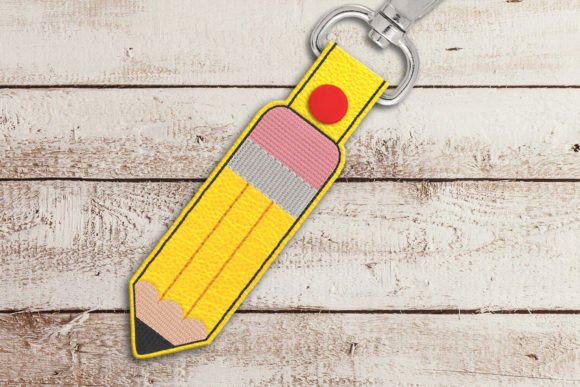
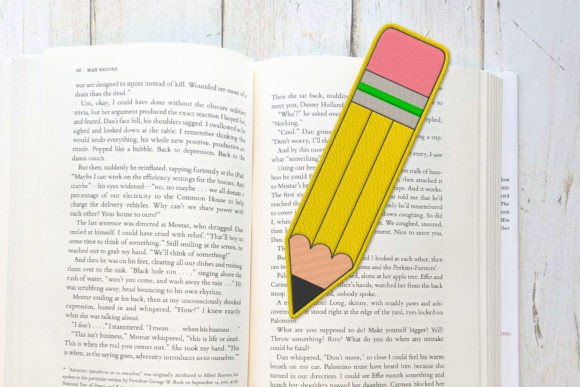
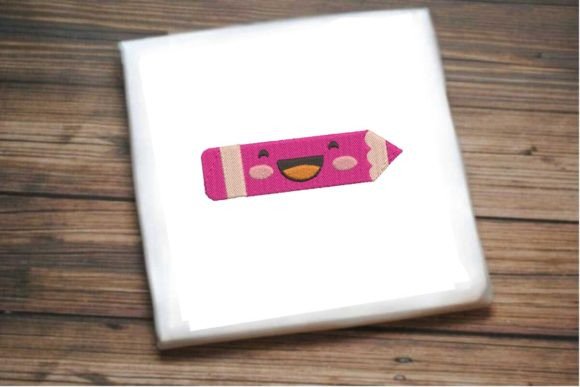
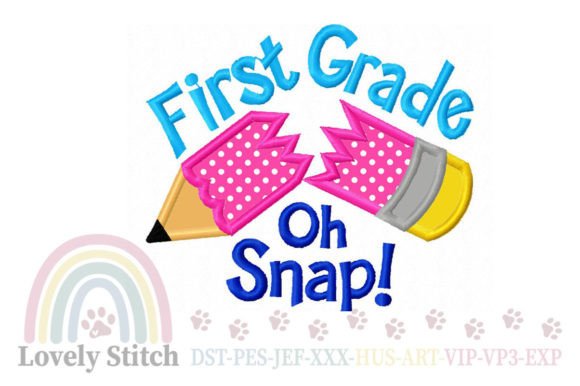
Pencil Embroidery Design involves using embroidery to create detailed pencil shapes or stylized representations of pencils, often incorporating elements like erasers, rulers, and notebooks. These designs are not only visually appealing but also serve as a meaningful symbol of learning and growth. Whether you're a seasoned embroiderer or just starting out, these designs offer a fun way to express creativity while celebrating the academic journey.
Why Choose Pencil Embroidery Design?
The appeal of Pencil Embroidery Design lies in its simplicity and adaptability. Unlike traditional embroidery patterns, these designs are often created using applique techniques, which means they can be layered and textured to add depth and dimension. This makes them ideal for embellishing a wide range of items—from tote bags and notebooks to hats and wall art.
Moreover, Pencil Embroidery Design is highly customizable. You can choose from various color schemes, adjust the size of the design, or even incorporate additional elements like books, backpacks, or classroom scenes. This flexibility allows creators to tailor their work to suit different tastes and purposes, making it a popular choice among educators, parents, and craft enthusiasts alike.
Common Mistakes to Avoid with Pencil Embroidery Design
While Pencil Embroidery Design offers endless possibilities, there are several common mistakes that can impact the final outcome. Understanding these pitfalls can help you achieve better results and avoid unnecessary frustration.
- Choosing the Wrong Fabric: Not all fabrics are suitable for embroidery. Cotton and linen are typically the best choices because they provide a stable base and allow the stitches to lie flat. Using a thin or stretchy fabric can lead to puckering or distortion.
- Ignoring File Formats: Many Pencil Embroidery Design files come in multiple formats, such as .dst, .pes, and .jef. It's essential to check which format your embroidery machine supports before purchasing. Using an incompatible file can result in incomplete or misaligned designs.
- Overlooking Thread Color: The thread color plays a crucial role in how the design appears. Choosing a thread that doesn't match the intended look can make the design look dull or unprofessional. Always test a small section first to ensure the color aligns with your vision.
- Not Testing on Scrap Fabric: Before embarking on a full project, it's wise to test the design on a scrap piece of fabric. This helps identify any issues with stitch density, alignment, or tension, allowing you to make adjustments before committing to the final piece.
- Underestimating Time and Effort: While Pencil Embroidery Design may seem straightforward, it requires patience and attention to detail. Rushing through the process can lead to uneven stitching or missed details, especially when working with intricate patterns.
How to Enhance Your Pencil Embroidery Experience
By taking a few extra steps, you can significantly improve your Pencil Embroidery Design experience. Here are some practical tips to help you along the way:
1. Invest in Quality Supplies: High-quality threads, needles, and stabilizers can make a noticeable difference in the final appearance of your design. Don’t skimp on materials—your effort will be reflected in the finished product.
2. Use Proper Stabilization: Stabilizers help keep the fabric taut during embroidery, preventing puckering and ensuring even stitch coverage. Depending on the fabric type, you may need to use a tear-away, wash-away, or cutaway stabilizer.
3. Explore Different Embroidery Machines: If you're considering purchasing an embroidery machine, research different models to find one that suits your needs and budget. Some machines offer advanced features like automatic threading and built-in design libraries, which can streamline the process.
4. Join Online Communities: Engaging with other embroiderers through forums, social media groups, or local craft clubs can provide valuable insights and inspiration. Sharing your experiences and learning from others can help you refine your skills and discover new ideas.
5. Keep Records of Your Work: Documenting your progress, including notes on what worked well and what didn’t, can be incredibly helpful for future projects. This practice also allows you to track improvements over time and build a portfolio of your best work.
What to Check Before Making a Decision
Before investing in Pencil Embroidery Design, consider the following factors to ensure you’re making an informed choice:
- Design Complexity: Assess the intricacy of the design to determine if it matches your skill level. Starting with simpler patterns can help you build confidence and gradually tackle more complex projects.
- Machine Compatibility: Verify that the design files are compatible with your embroidery machine. Some designs may require specific software or hardware to function correctly.
- Customer Reviews: Reading reviews from other users can give you a better understanding of the quality and reliability of the design. Look for feedback on stitch quality, file accuracy, and overall satisfaction.
- Price vs. Value: While cost is always a consideration, don’t compromise on quality solely based on price. A slightly more expensive design might offer better results and long-term value.
- Support and Resources: Check if the seller provides customer support, tutorials, or additional resources that can assist you throughout the process. This can be especially helpful for beginners who may have questions or need guidance.
In conclusion, Pencil Embroidery Design offers a unique and rewarding way to celebrate the back-to-school season. By avoiding common mistakes and adopting a thoughtful approach, you can create stunning, personalized pieces that reflect both your creativity and your passion for education. With the right tools, techniques, and mindset, anyone can enjoy the joy of crafting beautiful, meaningful embroidery designs.